Shared Savings Model
Emirates Electrical Engineering delivers a Shared Savings Model that enables clients to implement energy efficiency upgrades without upfront capital investment. Under this model, Emirates Electrical Engineering finances and delivers the project, then recovers its investment through a pre-agreed share of the verified energy savings over the contract term. This creates a practical pathway to modernize assets, improve energy performance, and unlock measurable savings while reducing both capital and performance barriers.

Zero Upfront Capital Model

Fully Financed Project Delivery

Performance-Based Savings Sharing

3–7 Year Contract Term

IPMVP Savings Verification

Post-Contract Full Savings
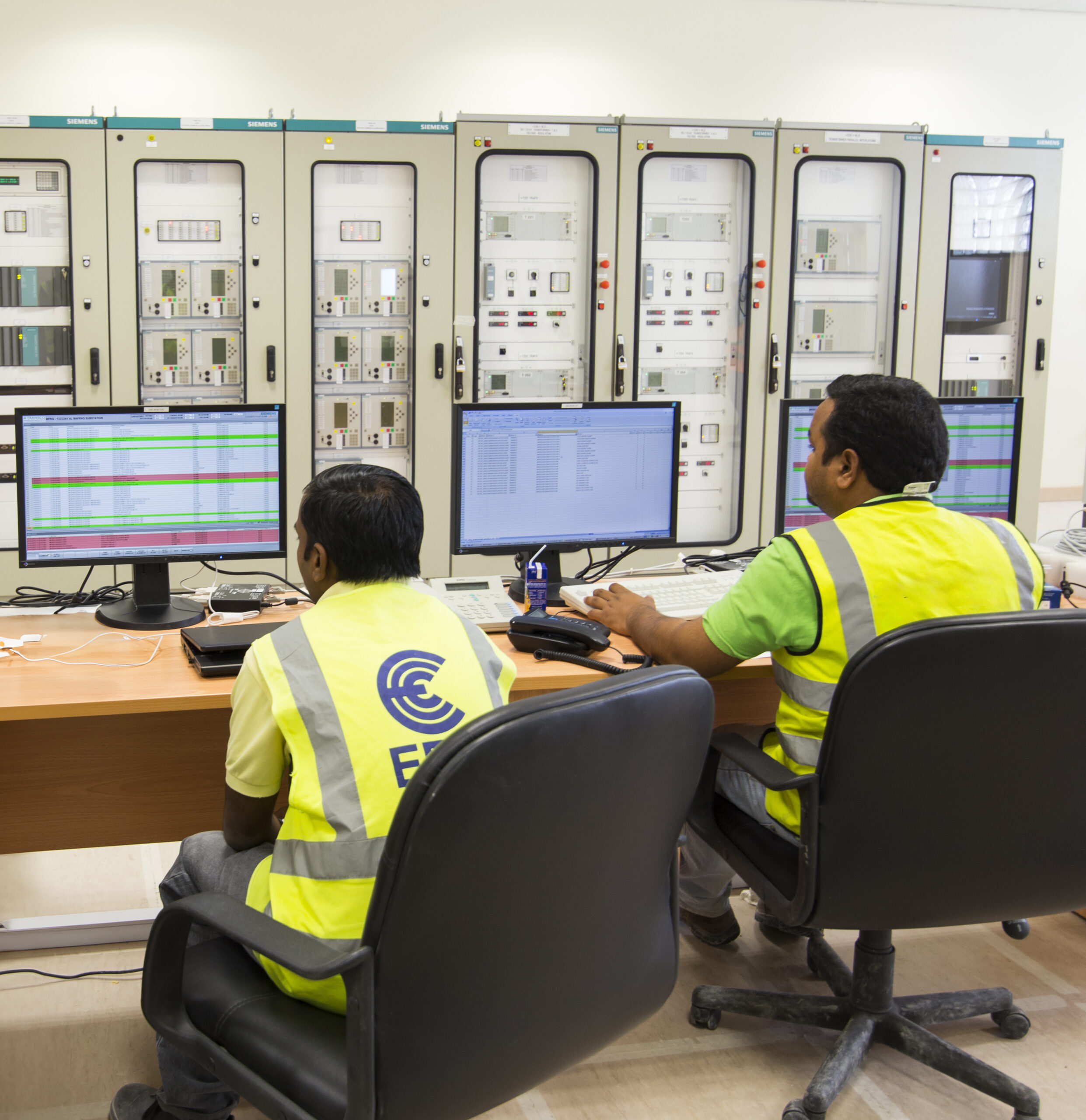
Technical Excellence
Emirates Electrical Engineering applies a structured technical and commercial framework to ensure that shared savings projects are correctly assessed, effectively implemented, and transparently measured throughout the contract period.
Performance-led project design
Energy conservation measures are identified, engineered, and prioritized based on site conditions, operational requirements, and achievable savings potential.
Verified Measurement and Verification
Savings are measured using IPMVP-based methodologies to provide transparent performance tracking, clear reporting, and accountability for both parties.
Ongoing optimization and maintenance oversight
Continuous monitoring, system tuning, and operational review help sustain savings performance and support long-term asset efficiency.
Value Proposition

No Capital Required
Energy upgrades without impacting cash flow.

Shared Risk Structure
Emirates Electrical Engineering assumes the investment and performance risk.

Asset Modernization
Major retrofits delivered with no upfront capital investment.

Long-Term Financial Gain
100% of savings retained after the contract term.

Client Benefits

100%
Client ownership after contract term

0%
Upfront Investment
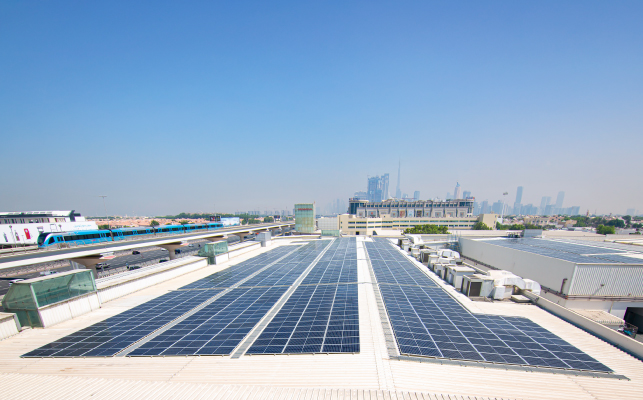
- Immediate energy efficiency improvements without CAPEX
- Reduced financial and performance risk through a pay-from-savings model
- Modernized, higher-performing building systems
- Full retention of future savings after the contract period ends